
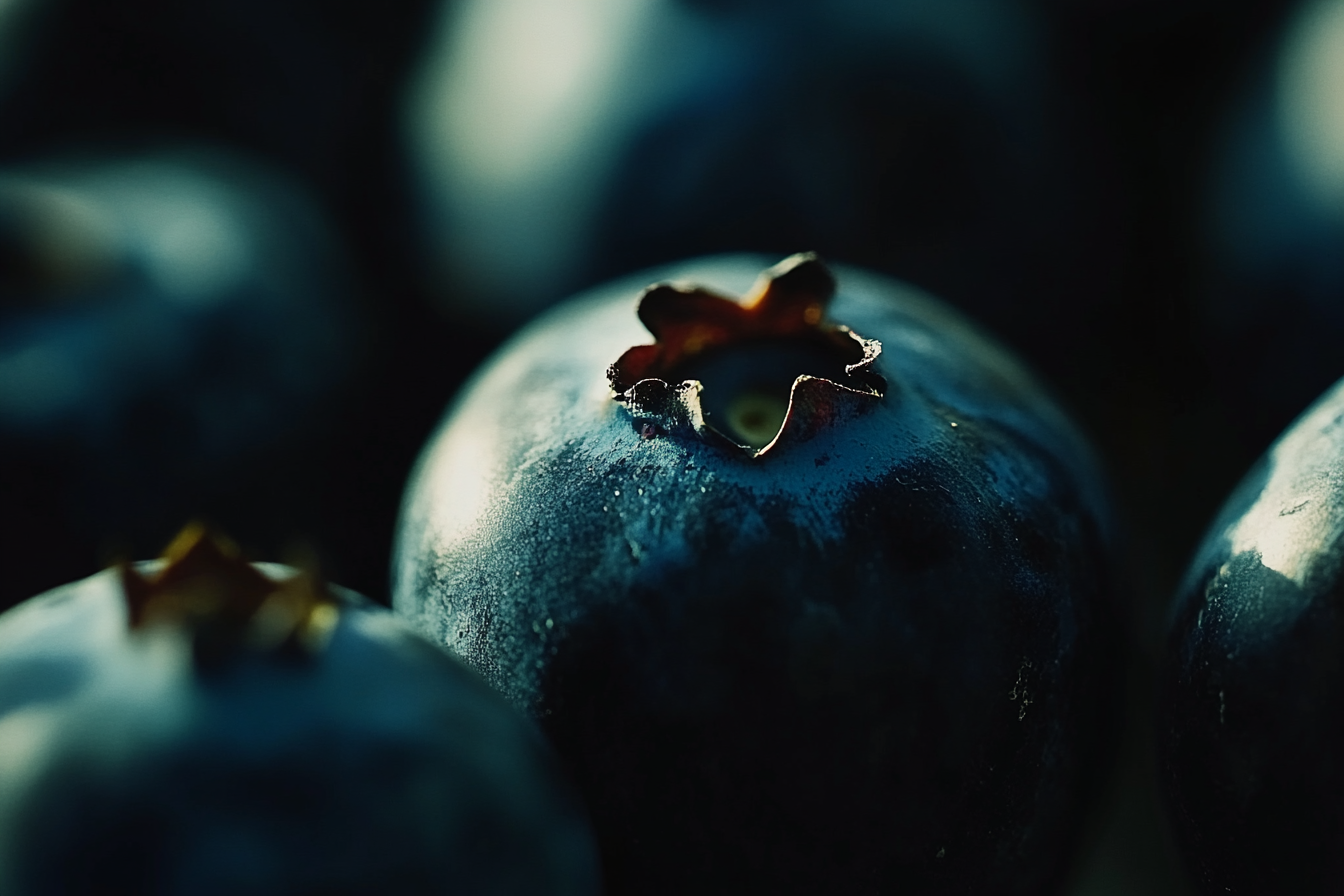
When Black Forest Labs released Flux 1.1 Pro in late 2024, it quickly established itself as one of the most impressive AI image generators on the market. Faster and more realistic than its predecessor Flux 1 Pro, the model set a new standard for text-to-image generation. Since then, the Flux ecosystem has expanded dramatically — from the Flux 1.1 Pro Ultra with native 4-megapixel output to the brand-new Flux 2.0 family launched in late 2025. Here is a complete overview of the Flux lineup heading into 2026.
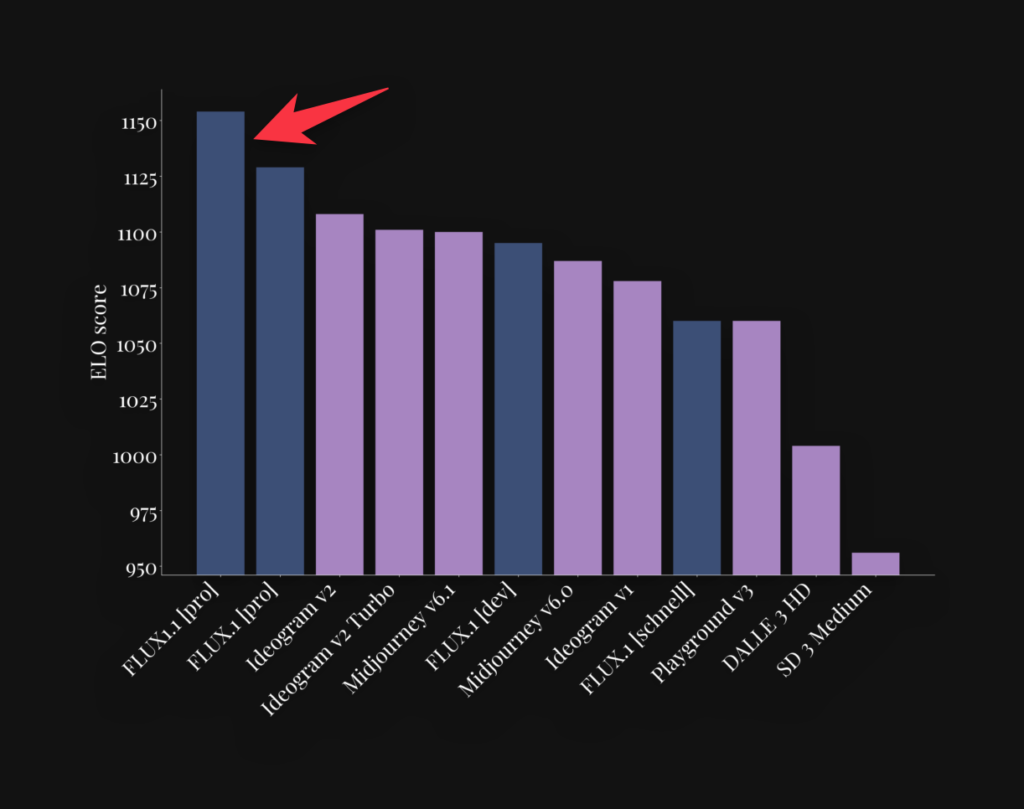
Flux 1.1 Pro: The Model That Changed the Game
Flux 1.1 Pro arrived as a major upgrade over the original Flux 1 Pro model, delivering images roughly 6 times faster while improving output quality across the board. The model excels at photorealistic portraits, detailed landscapes, and complex compositions with accurate text rendering — a long-standing weakness of AI image generators. Available via the Black Forest Labs API and platforms like Together AI, Flux 1.1 Pro quickly became a go-to choice for creators and developers needing production-quality images at scale.
Flux 1.1 Pro Ultra and Raw Modes
Building on Flux 1.1 Pro, Black Forest Labs introduced Flux 1.1 Pro Ultra, which generates images at native 4MP resolution (2048×2048 pixels) — four times the detail of standard Flux 1.1 Pro output. Despite this resolution jump, Ultra delivers images in roughly 10 seconds, making it over 2.5× faster than comparable high-resolution offerings. The Ultra tier also introduced a Raw mode that reduces post-processing to produce more natural, film-like results — perfect for editorial and lifestyle imagery. At $0.06 per image versus $0.04 for standard Flux 1.1 Pro, the price premium is minimal for the quality gain.
Flux 2.0: The Next Generation (2025-2026)
In November 2025, Black Forest Labs announced the Flux 2.0 model family, representing a significant architectural leap. Built on a latent flow matching architecture integrated with Mistral AI’s 24-billion-parameter vision-language model, Flux 2.0 delivers precision controls that blur the boundary between generated and photographed content. The lineup includes Flux 2.0 Pro (highest quality), Flex (flexible editing), Dev (developer-focused), and the open-source Klein models released under Apache 2.0 license.
The Flux 2.0 Klein models, launched in January 2026, are especially notable for speed. Available in 4B and 9B parameter variants, Klein can generate or edit images in under 0.5 seconds on modern hardware. The 4B model fits comfortably within 13 GB of VRAM, making it accessible on consumer GPUs like the RTX 3090 or 4070. Flux 2.0 also supports native 4MP photorealistic output and multi-reference control for unprecedented creative precision.
Flux vs. the Competition in 2026
The AI image generation landscape has become fiercely competitive. Midjourney continues to push aesthetic quality, while Ideogram 2 dominates text-in-image generation. Google’s Imagen 3 and OpenAI’s DALL-E 4 have also raised the bar. However, Flux maintains key advantages: an open-source ecosystem (Flux Dev, Schnell, and Klein are all available for local use), competitive API pricing, and arguably the best photorealism in the field. For professionals requiring quick ultra-realistic image creation, the Flux platform remains hard to beat.
How to Use Flux Models in 2026
There are several ways to access Flux models depending on your needs. For cloud-based generation, the Black Forest Labs API offers direct access to Flux 2.0 Pro, while platforms like Together AI, Replicate, and Fal.ai provide easy integrations. For local generation, you can run Flux models locally using ComfyUI or the official inference repository on GitHub. With the Flux 2.0 Klein models, even mid-range consumer GPUs can generate high-quality images in under a second.
What’s Next for Flux and AI Image Generation?
Black Forest Labs has positioned Flux as the most versatile AI image generation platform available. With Flux 2.0’s multi-reference control and production-grade quality, the technology is moving beyond simple text-to-image prompting toward full creative workflows including inpainting, outpainting, and style transfer. Combined with the original Flux ecosystem and emerging video generation tools like Sora and Meta Movie Gen, the boundary between AI-generated and human-created visual content continues to dissolve in 2026.
Related Articles

Agentik vs Monid: comparing AI agent tools
Connecting an AI agent to the real web quickly becomes like juggling a bunch of keys. A web search here, a scraping tool there, a contact enrichment service, an image…
What is Jev? The AI model that doesn’t generate text
Jev IA, lancé par TypeSafe le 15 septembre 2026, classe et note au lieu d’écrire. Fonctionnement, prix, limites et ce que cela change pour votre logiciel.