

The Rise of AI Search Engines
The way we search the internet is undergoing a fundamental transformation. Traditional keyword-based search is being replaced by conversational AI that understands context, synthesizes information from multiple sources, and delivers direct answers with citations. Two platforms lead this revolution in 2026: Perplexity AI as a dedicated answer engine, and ChatGPT’s integrated search capabilities (formerly SearchGPT). Meanwhile, Google’s AI Overviews are reshaping traditional search from within.
Perplexity AI: The Answer Engine
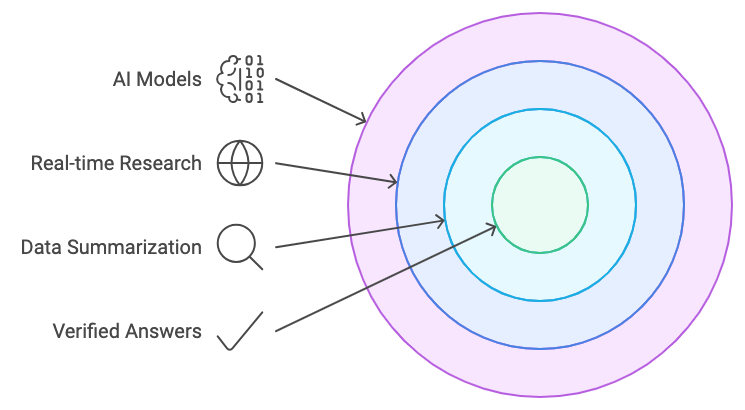
Perplexity positions itself as an “answer engine” rather than a chatbot. Every response includes clickable source citations by default, making it easy to verify information and dive deeper into topics. Even its free tier includes real-time web access—a significant advantage over competitors that gate this behind paid plans.
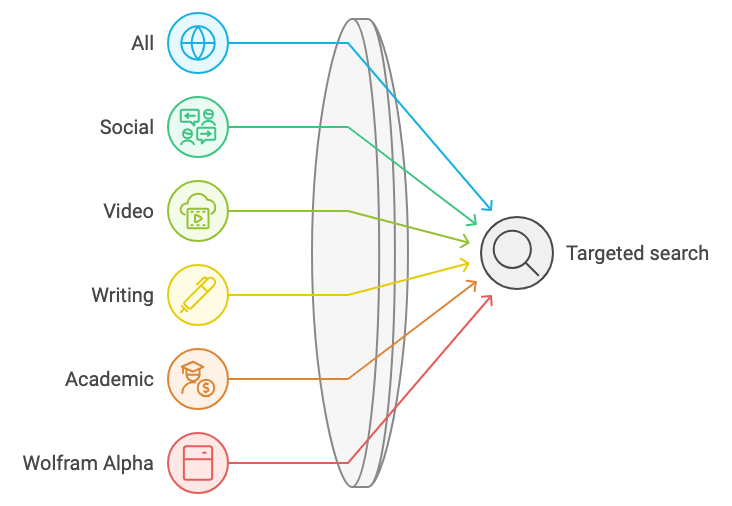
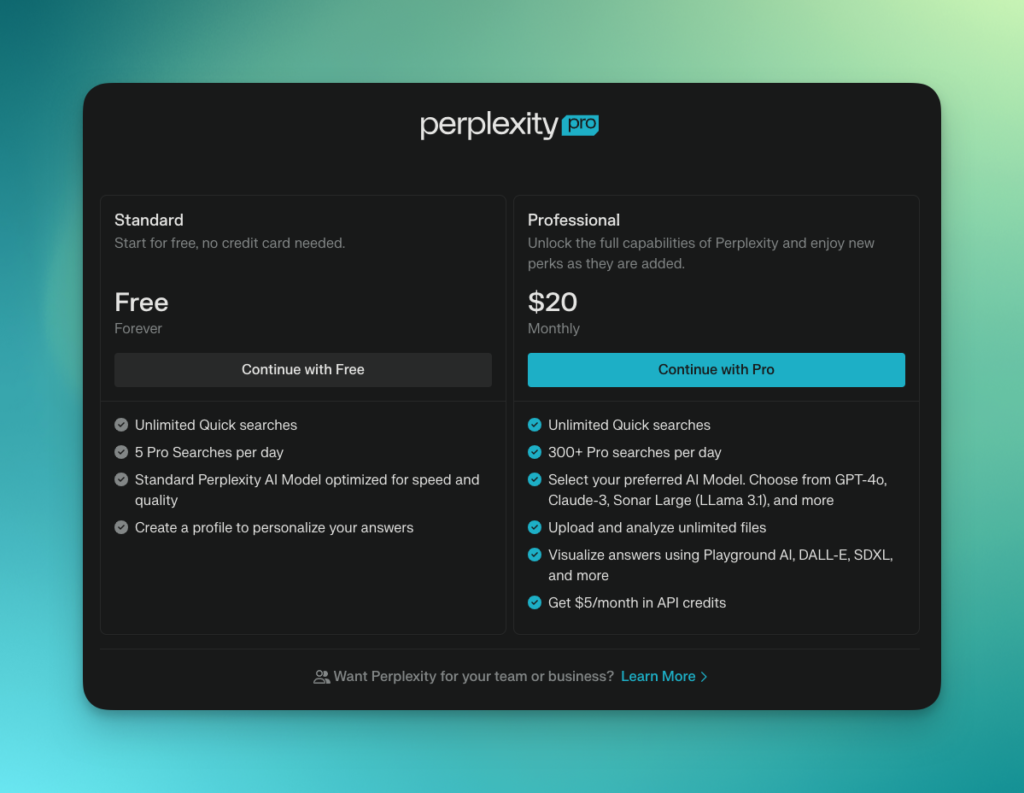
Perplexity Pro ($20/month) gives access to multiple top-tier AI models including Claude, GPT-4o, and its own models in a single dashboard. The Deep Research feature generates comprehensive, structured reports from multiple web sources, with a focus on source credibility. You can also filter searches by source type—web, academic papers, Reddit, social media—giving granular control over information quality. For a deeper look at Perplexity’s collaboration features, see our guide to Perplexity Spaces.
ChatGPT Search (formerly SearchGPT)
OpenAI’s SearchGPT, now integrated directly into ChatGPT, takes a different approach. Rather than being a standalone search engine, it augments ChatGPT’s conversational AI with real-time web access. When you ask a question, ChatGPT decides whether to search the web, and if so, synthesizes the results into a comprehensive answer within the chat flow.
ChatGPT’s search excels at providing structured, strategic analysis. It can take complex multi-part questions and deliver organized responses with sections, comparisons, and recommendations. The integration with ChatGPT’s broader capabilities means you can seamlessly move from research to content creation, coding, or analysis without switching tools.
In 2025, OpenAI added ChatGPT Agent (autonomous task execution) and Study Mode (step-by-step concept explanations), further expanding what’s possible within the ChatGPT ecosystem. Deep Research in ChatGPT generates extensive multi-source reports comparable to Perplexity’s offering.
Head-to-Head Comparison in 2026
For citation quality and source transparency, Perplexity has the edge. Every response prominently displays its sources, and the ability to filter by source type gives researchers precise control. ChatGPT includes citations but they’re less prominently featured, and the tool sometimes summarizes without clear attribution.
For depth of analysis and follow-up, ChatGPT wins. Its conversational memory means you can refine, redirect, and build on previous answers across a long research session. Perplexity treats each query more independently, though its Threads feature helps maintain context.
For speed and efficiency on factual lookups, Perplexity is faster—it’s designed specifically for this. ChatGPT can take longer because it’s processing through a more general-purpose AI before delivering search results.
For content accuracy, both platforms perform well, but Perplexity is rated slightly higher for factual accuracy on comparative reviews. ChatGPT occasionally references outdated information when its browsing doesn’t trigger, though this has improved significantly in 2025-2026.

Other AI Search Contenders
Beyond Perplexity and ChatGPT, several other players are competing in the AI search space. Google’s AI Overviews remain dominant by volume, appearing on 48% of searches. You.com offers a multi-mode search experience. Arc Search provides a minimal, mobile-first AI search. And Gemini’s integration into Google Search is blurring the line between traditional and AI search.
Which Should You Choose?
The answer for most power users in 2026 is: both. Perplexity excels at quick, source-verified research and fact-checking. ChatGPT excels at transforming that research into structured output—reports, strategies, content, code. The most productive workflow uses Perplexity to gather and verify information, then ChatGPT to synthesize and create with it.
If you must choose one: Perplexity for research-heavy work where source credibility matters. ChatGPT for versatility and the ability to move from search to creation in a single conversation. Both continue to improve rapidly, and the competition between them is pushing AI search capabilities forward for everyone.
Related Articles

OpenAI halts Pro subscriptions: prioritizing security
OpenAI suspension abonnements Pro à 200 dollars : causes, conséquences pour les abonnés actuels et alternatives concrètes pour accéder à Astra.

GPT-6 Astra explained: 5 uses to try, 3 pitfalls to avoid
GPT-6 Astra pour décider : 4 chiffres datés, 5 usages à tester avec leur métrique, 3 pièges de migration, grille avant le 14 octobre 2026.