
AI video generation has undergone a revolution in 2025-2026. Tools like Sora 2, Runway Gen-4.5, Google Veo 3, and Kling now produce native 4K videos with synchronized audio, realistic motion, and durations extending to 20+ seconds. Here are the 5 best AI video creation tools you need to know in 2026.
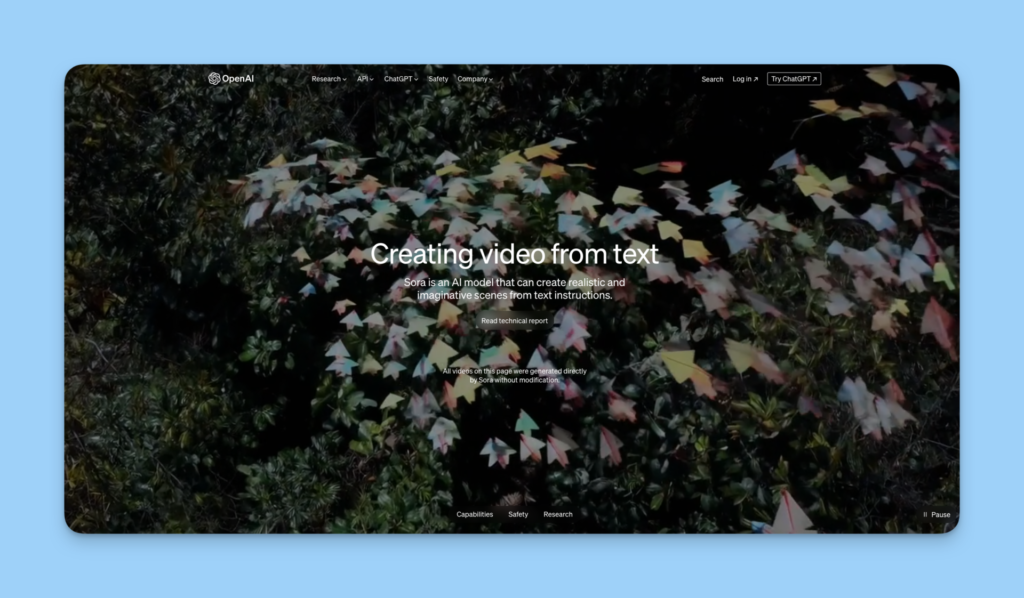
1. Sora 2 — OpenAI
Sora marked a turning point in AI video generation. Initially launched in preview in late 2024, Sora 2 (released September 2025) produces videos of impressive cinematic quality with realistic physics, synchronized audio, and excellent prompt fidelity. Sora 2 is accessible via a ChatGPT Plus subscription ($20/month for limited access) or ChatGPT Pro for heavier usage. It’s currently the benchmark for cinematic-quality videos, though its availability remains more limited than competitors.
2. Runway Gen-4.5
Runway is the pioneer of consumer AI video generation and remains at the top of benchmarks in 2026 with Gen-4.5. The platform excels in motion accuracy, lighting, and subject continuity across sequences. Motion Brushes features allow granular control over animations, and scene consistency is unmatched for commercial work. Starting at $12/month, Runway is the tool of choice for professional creators who prioritize reliability and consistency over occasional “wow factor.”
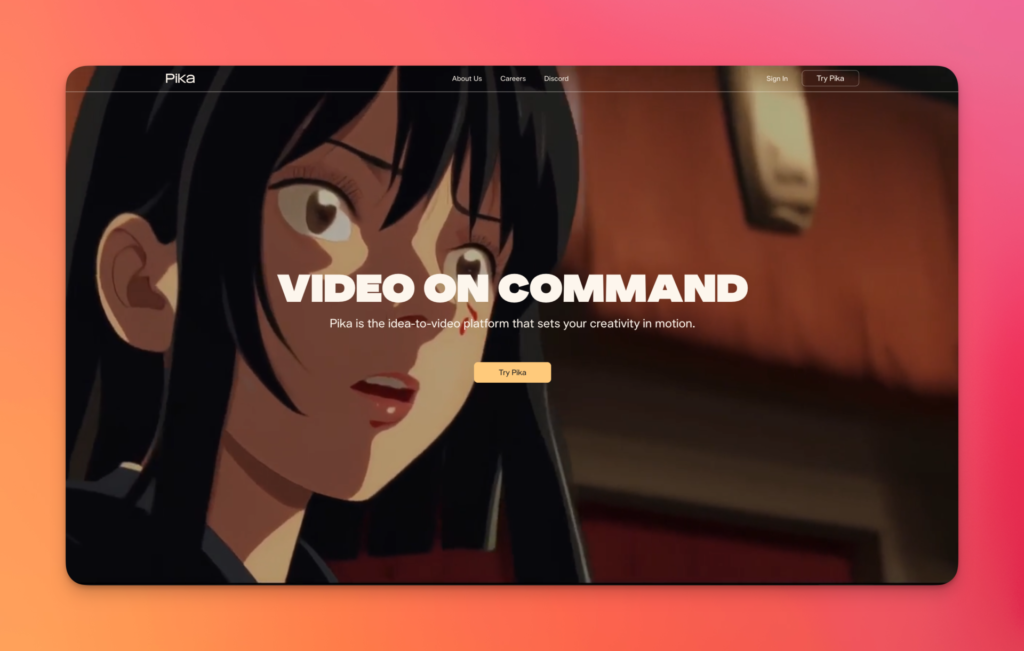
3. Pika 2.5
Pika has established itself as the most accessible tool for getting started with AI video creation. With Pika 2.5, the platform offers unique features like Pikaswaps (element replacement within a video) and Pikaffects (dramatic effects applied simply). Renders are generated in approximately 42 seconds, and the intuitive interface delivers impressive results from the very first use. At $8/month, it’s the ideal entry point for social media content creators wanting quick, creative results.
4. Google Veo 3.1
Google made a strong entry with Veo 3 and then Veo 3.1, which stands out with the best audio-visual integration on the market. In comparative testing on the MovieGenBench benchmark (1,003 evaluated prompts), Veo 3.1 consistently outperforms Sora 2, Runway Gen-4, and other competitors in following complex multi-element prompts. The tool generates synchronized sound effects, ambient audio, and even dialogue matching the visual content — a first in the field. Accessible via Google AI Studio and integrated into the Google ecosystem.
5. Kling 2.0 — Kuaishou
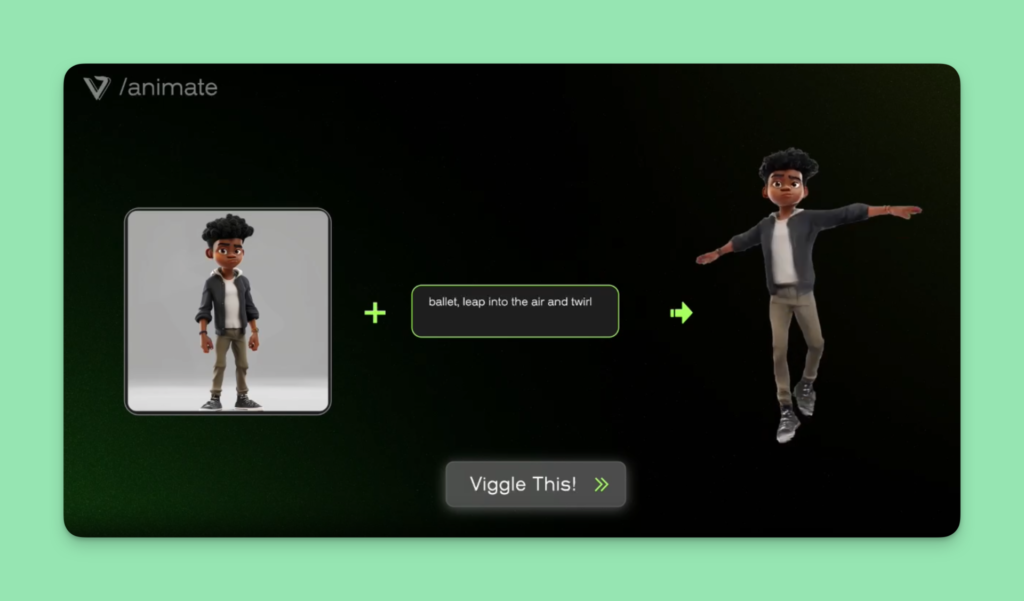
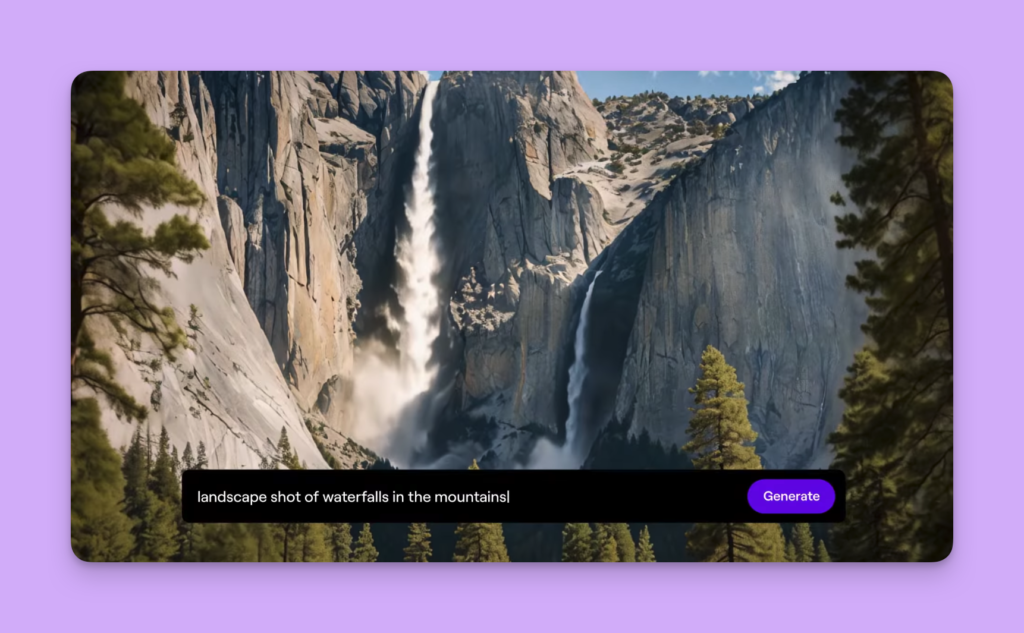
Kling from Kuaishou (the parent company of Viggle) has specialized in generating photorealistic human characters with natural movements. It’s an excellent choice for creators who need videos with realistic AI actors. Kling 2.0 also offers video editing and lip-sync features that make it a versatile tool for marketing and social media. The model has gained popularity thanks to its impressive results on body movements and facial expressions.
The State of AI Video Creation in 2026
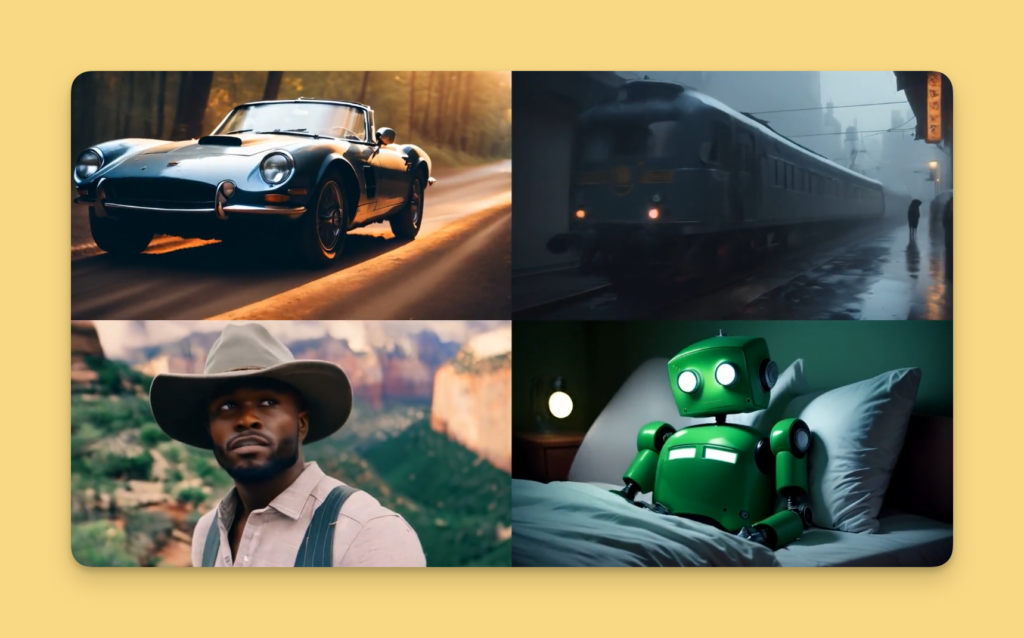
AI video generation has made a spectacular leap: resolution jumped from 720p to native 4K, duration extended from 3-5 seconds to over 20 seconds, and most importantly, automatically synchronized audio has arrived. Models like Sora 2, Veo 3.1, and Kling 2.0 can generate sound effects, ambient audio, and even dialogue aligned with visual content. Combined with editing tools like Stable Diffusion for images and traditional editing platforms, these AI tools are radically transforming the video production process and making professional content creation accessible to everyone.
Related Articles

Agentik vs Monid: comparing AI agent tools
Connecting an AI agent to the real web quickly becomes like juggling a bunch of keys. A web search here, a scraping tool there, a contact enrichment service, an image…
What is Jev? The AI model that doesn’t generate text
Jev IA, lancé par TypeSafe le 15 septembre 2026, classe et note au lieu d’écrire. Fonctionnement, prix, limites et ce que cela change pour votre logiciel.